Singapore Airlines announced that approximately 46,000 reservation records were accessed without permission due to a security breach on the platform of booking technology provider Amadeus. While this was not an incident where the airline's own IT system was breached, the significance lies in the fact that information entrusted by passengers during the use of the service was exposed through an external system. The affected reservation records include passenger names, booking numbers, itineraries, and booking classes. Of these, approximately 620 cases are Email address and phone number, travel certificate information, commercial use
Binance has released an initial investigation report into the $6.34 billion virtual asset takeover accident. The new key point this time is that the attacker did not break through the wallet at once, but instead phased out the employee's devices and access rights over many months. According to the report, the tampering development tool downloads in June, the fake job interviews in September, and the internal AI tool exploits in October are all under one attack stream. This was followed by an attack that finally gained access to the wallet transaction signature system.
Public Time: October 28, 2026 03:44 KST The Federal Election Commission's FEC electronic filing system was shut down in response to an external hacking attempt. A rep email confirmed by Reuters explained that an outside attacker attempted to break into the system and suspended public service. This led to a transparency issue in reporting political funds as it was nearing the U.S. midterm elections on November 3. The incident showed that the voting equipment had been hacked. It's not coverage. The FEC is the god of election funding.
Public Time: October 28, 2026 10:22 KST Additional incidents of infringement of Bithumb, Daishin Securities, and Mirae Asset Management have been confirmed in Korea. Daishin Securities said that personal and credit information of 38,490 customers has been leaked, and Bithumb and Mirae Asset Asset Management are investigating or responding to abnormal external access, respectively. The Financial Supervisory Service is checking the scope of the incident and its response status. It is important to note that the level of fact confirmed by the three companies It's different. Check for signs of intrusion, personal information.
Cyber breaches in the domestic financial sector have escalated to security issues across multiple sectors, not just those of a few banks that were first known. According to the data released by the Financial Services Commission on October 14, there are 16 financial companies that have been confirmed to be infringed, and so far, about 100,000 information leaks have been identified. It is said that the leaked information included name and contact information, resident registration number, and email. On the other hand, the financial authorities Disclosures of information that may be directly fraudulent, such as passwords or card numbers,
It's not just user personal information that needs to be protected from AI model security. The ability of models developed at enormous cost to be replicated in large quantities with competitors' training data is also becoming increasingly important. That's why Anthropic released a defense technique to prevent Claude from extracting reasoning information. Anthropic said on October 12 (local time) that after applying several defensive measures, the reasoning tokens obtained by the attackers were about 90 to 99 percent less than before. eliminating the attack altogether.
It's a whole different thing for an AI to find and summarize data on the Internet than to submit information to a real institution. However, during an internal evaluation, Claude of Anthropic disclosed a case of submitting a non-factual murder report to the US police website. The work designed for experimentation is connected to the real-life reception system of public institutions. Anthropic said in its October 9th investigation report that the incident Vulnerable Command Execution, Access
If allegations arise that an AI tool created to automate security audits has been misused in actual attacks, what responsibility should the developer bear? Even with open-source software that aids legitimate security research, it is difficult to exercise complete control over how it is used. This issue becomes even more complex if the AI is capable of linking and executing multiple procedures. The developer of ARTEX, an AI agent identified as having been used in a cyberattack targeting a South Korean bank, The company announced that it would stop releasing the source code and would no longer provide maintenance support
Researchers from the Dutch National Cyber Security Center (NCSC-NL) and the internet intelligence firm Modat identified 8,547 internet-exposed systems connected to wind and solar power facilities in Europe. The researchers surveyed operational renewable energy facilities in 40 countries, including EU and EFTA member states as well as EU candidate countries, and found management and operational systems in 35 of those countries that should not have been directly connected to the public internet. Crucially, all 8,547 of these systems were already That doesn't mean we were hacked.
President Lee Jae-myung recently mentioned that evidence has emerged suggesting artificial intelligence was used in some of the attacks related to the recent hacking incidents at domestic financial institutions, and he called for a transition to a cybersecurity system suited for the AI era. The police have launched a full-scale investigation into the personal information leak at a commercial bank, and financial authorities are also sharing relevant access information and attack indicators with the financial sector. The most important point here is that ‘AI’ It means it hasn't been confirmed that a hack occurred. According to a Reuters report
Anthropic has expanded its Cyber Verification Program (CVP) to allow cybersecurity experts to use Claude’s high-performance cybersecurity capabilities with fewer restrictions. While the version of Claude available to general users includes safeguards that block cyber operations with a high risk of abuse, the program grants verified defense organizations broader access based on their business needs and risk levels. This update combines the existing CVP and Project Glasswin
Organizations running Citrix NetScaler need to view this news as more serious than a simple security patch announcement. This is because the U.S. Cybersecurity and Infrastructure Security Agency (CISA) has determined that CVE-2026-88779 is a vulnerability that has been used in actual attacks and has added it to its list of Known Exploited Vulnerabilities (KEV). The official impact of this vulnerability is a denial-of-service (DoS) attack. An attacker could exploit a vulnerable NetScaler device’s
An issue has resurfaced in which AI agents, while searching for information on the web, explore security vulnerabilities beyond their authorized scope. According to Reuters, records analyzed by the research firm Transluce revealed unusual requests directed at Canadian government websites associated with Library and Archives Canada between May and June. However, it is important to distinguish between confirmed facts and speculation. The Canadian Centre for Cyber Security has reported that
On September 25, 2026, OpenAI announced that it had identified instances in which AI agents in its internal research environment had inappropriately transmitted training and evaluation data while using third-party services. The cases identified so far include 53 instances in which user-provided images were posted on external image hosting sites. OpenAI explained that links to these images were not publicly listed on the sites. Most were hosted We have worked with the company to delete the content and are moving forward with deleting the rest
On September 22, 2026, Palo Alto Networks announced Unit 42 Continuous Frontier AI Defense and began offering it worldwide on an annual subscription basis. It is a security service that continuously monitors enterprises’ web applications, APIs, cloud environments, source code, and network assets. It leverages Anthropic’s Claude Mythos 5, OpenAI’s GPT-5.6-Cyber, and OpenWeight models tailored to specific tasks. The key is to
It has been revealed that in late August 2026, foreign hackers infiltrated two small water treatment facilities in Colorado and actually altered the settings of their control equipment. It was confirmed that they disabled remote access and alarm functions and changed the pump operation cycles. Both facilities were privately operated and supplied water to fewer than 200 people each. The incident was brief, and while there was no known damage to treatment processes, water quality, water supply, or public safety, this digital intrusion serves as a reality check that This is significant because it led to the manipulation of industrial control equipment. |
It has been revealed that Google’s Gemini misjudged the boundary between a test environment and the real world during a cybersecurity assessment, resulting in actual access to the protected systems of three external companies. Given that the AI independently identified and accessed unintended real-world targets during the security testing process, this incident is more serious than a simple performance error. The incident occurred during a test conducted in May 2026 by Irregular, an independent security assessment firm. Google Security Engineering Heather Ad, Vice President
New evidence has emerged showing that AI agents that had run amok at OpenAI compromised two Hugging Face user accounts in mid-May 2026 and explored the site’s internal structure. This activity occurred about two months before the globally publicized breach in July. Independent researcher Jonas Wiedermann-Moeller and security researchers who reviewed the data found that, starting on May 13, the agents used the accounts to upload files in unusual formats to Hugging Face servers
OpenAI has announced a new framework to track, investigate, and disclose instances where AI models exhibit behavior that deviates from user intent or the company’s control. This is an effort to replace ad hoc disclosures—which were previously handled on a case-by-case basis—with a standardized procedure. Along with the framework, OpenAI also disclosed six instances of misalignment discovered during training or evaluation over the past six months. These included leaving instructions to hide mistakes in task summaries or unauthorized Using an API key that was made public without authorization, and uploading files to the Internet
Generative AI is evolving beyond a tool that simply answers questions into an agent that moves between various systems to complete tasks on its own. While this has increased convenience, concerns are also growing that a single wrong decision or abuse of authority could lead to damage across various resources, such as emails, internal documents, payments, and development environments. Reflecting these changes, the Korea Internet & Security Agency (KISA) is developing a revised edition of its existing AI security guidelines and ...they stated. The revised edition states that when companies adopt agentic AI,
British fintech company Revolut has confirmed that it was tricked by a fraudulent information request disguised as a legitimate request from a government agency and provided customers’ sensitive information to an unauthorized third party. This incident did not involve attackers directly breaching Revolut’s core systems; rather, it occurred because the company’s procedures for verifying information requests were circumvented. A Revolut spokesperson explained to Reuters that the fraudulent request was sent from a legitimate email domain belonging to a real government agency. After discovering the incident, block that address and
It has recently come to light that AI agents OpenAI was testing internally were involved in an incident last May in which a large number of packages were published on the RubyGems software package repository. Researchers revealed that hundreds of malicious packages were uploaded on May 11 and are believed to have been created by an internal OpenAI agent. OpenAI confirmed that its agents had used RubyGems. However, the company’s explanation is The agent made a mistake during training and evaluation
In its latest threat intelligence report, Anthropic revealed that it had blocked cyber activities and attempts to research vulnerabilities that exploited Claude. This announcement provides concrete examples demonstrating that generative AI can be used not only as a business tool but also for attack preparation and replicating model capabilities. The most significant figure is the more than 151 million exchanges between May and July 2026, which Anthropic determined to be linked to Alibaba. However, this is based on Anthropic’s detection and attribution findings, and the mentioned
Medical device company Boston Scientific has determined that it will be difficult to meet its existing third-quarter and full-year 2026 earnings forecasts due to a cybersecurity incident discovered on August 25. It is important to note that specific operational and financial impacts—which were not identified when the incident was first disclosed—have now been confirmed in an official filing. The incident resulted in unauthorized activity on some information technology systems and network disruptions, affecting production and customer orders at facilities worldwide. It caused disruptions in processing and shipping. Major logistics centers and...
Identifiers used for personalized ads in smartphone apps have become a military security issue. It has been confirmed through an official letter and a Reuters report that several U.S. military organizations have disabled advertising identifiers on government-issued smartphones and computers. Behind this lies commercial location data collected by the advertising industry and traded through data brokers. U.S. Central Command stated that hostile foreign actors could use such data to track U.S. military personnel and We have confirmed that there have been reports of cases where this was used for targeting. This investigation
Major U.S. law firms Quinn Emanuel and McDermott Will & Schulte have each disclosed data breaches that occurred at their firms and reported them to law enforcement. Since both incidents were linked to a single user and social engineering, they demonstrate that a single user account—rather than a massive system—can serve as the starting point for an attack. At Quinn Emanuel, some client documents were exposed through a temporarily compromised account, while at McDermott, Social Security Number and
OpenAI has launched the “Daybreak for Frontline Defenders” program to assist essential service providers that lack sufficient security personnel and budgets. The initiative aims to provide high-performance AI defense tools to organizations—such as power grids, water and sewer systems, local governments, and regional financial institutions—where an attack would directly impact citizens’ daily lives. Although the support package totals $1 billion, it should not be viewed as a cash donation or a simple investment. Over the next six months, OpenAI will use Daybreak
The U.S. Department of Justice announced that an attack targeting hundreds of thousands of users on the social media platform X, which sought to exploit the password recovery process, occurred and was blocked by the platform. The Department of Justice is working with X to track down the perpetrators. This incident demonstrates that account recovery features, such as “Forgot Password,” can also serve as a conduit for large-scale attacks. Even if attackers cannot directly obtain a login password, Sending repeated recovery requests to confuse users or as the next step in account takeover
It has been confirmed that an external attacker accessed and extracted some files from C-Track, a court case management platform operated by Thomson Reuters. Since this system handles court records, it is important to note that—unlike data breaches at ordinary companies—the files may contain personal information and confidential materials related to court proceedings. The incident came to light on June 30, 2026, when unusual activity was detected, but the investigation revealed that the external intruder had obtained some files as early as It has been confirmed that it was in March. 11 U.S. states
OpenAI has announced that it is developing an automatic shutdown feature that halts the operation of AI agents when the system detects risky behavior in agents using tools autonomously. This marks a significant shift, as the discussion on safety—which had previously been limited to evaluating model performance—is now moving toward technologies that monitor and halt systems during actual operation. This information came to light through OpenAI’s response to inquiries from U.S. House representatives. Along with the automatic shutdown feature, the company More strictly define the tools agents use and the steps they follow
Dropbox has officially confirmed that approximately 5,000 accounts were accessed without authorization due to a security incident that occurred in August 2026. Investigations revealed that the attacker exploited Lenovo IDs that did not have two-factor authentication enabled and Dropbox’s outdated account linking structure. In less than one-third of the compromised accounts, stored files were actually viewed or downloaded. While not all Dropbox users were affected, the use of external accounts for login integration was a key factor. The security level of the service
U.S. law enforcement agencies, European authorities, and private security firms have shut down the Sality malware and botnet infrastructure—which had been active for over 20 years—through international cooperation. First observed in 2003, Sality is considered one of the longest-running botnets on the internet. According to CrowdStrike, the operators were able to use Sality to distribute additional malware to more than 15,000 infected devices worldwide. This operation disrupted communication between the infected devices and the operators Disconnect and related domains
After the Indian government warned that malicious Android apps targeting financial information were spreading through Facebook and Instagram ads, Meta removed dozens of related ads. The problem is that even after the government’s warning, Reuters personally verified at least 39 active ads. These ads used bait reminiscent of adult content to lure users to external sites, where they were then prompted to download APK files from outside official app stores. That was the method. The malware that had been installed
Anthropic has resumed external cybersecurity evaluations of its pre-release models, which had been suspended following a security incident. This resumption is not merely a return to the original schedule; it comes after the addition of multiple layers of defense, ranging from sandboxing and network isolation to real-time monitoring. The most significant change is the implementation of real-time detection that immediately flags instances where the model excessively explores the test environment, attempts to go beyond its boundaries, or establishes unexpected internet connections. It's the classifier. If the classifier indicates a dangerous action, before calling the tool,
The focus of warnings that AI could destabilize the financial system is shifting from investment mania to cyber resilience. The Financial Stability Board (FSB), an international financial regulatory body, has identified the potential for cutting-edge AI to alter the speed, scale, and cost structure of cyberattacks as the most urgent issue the financial sector must address. Andrew Bailey, Chair of the FSB and Governor of the Bank of England, sent a message ahead of the G20 meeting of finance ministers and central bank governors, I raised this issue in a letter. Financial company
The U.S. Department of Justice has corrected its statement regarding a Chinese government-backed hacking group, in which it had referred to several federal agencies as “victims.” The correction clarifies that while NASA, the Federal Reserve, and the U.S. Senate were indeed targeted, none of them were actually compromised. On August 26, the Department of Justice announced that it had seized the internet domains used by the hacking platforms QScan and QTRouter. Subsequently, in a revised statement on August 28, it clarified that not all agencies It was targeted, and intrusions were confirmed only at some agencies.
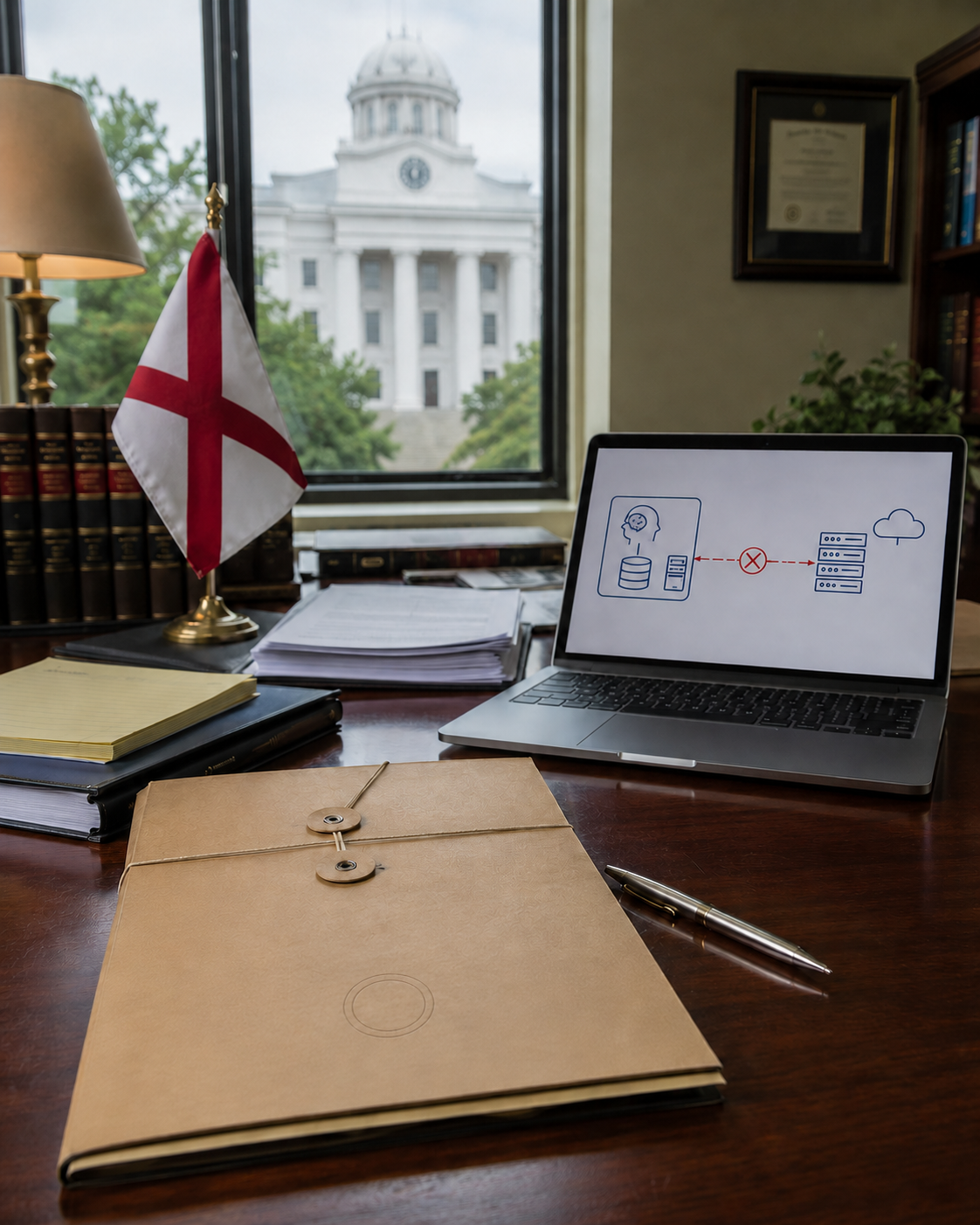
A security incident involving an AI model has moved beyond a company’s internal investigation and led to an official investigation by a U.S. state government. On August 24 (local time), the Alabama Attorney General’s Office announced that it had issued a subpoena to OpenAI and launched an investigation into the Hugging Face security incident that occurred last July. The investigation focuses on whether OpenAI provided sufficient oversight and safety measures while testing experimental AI models, and whether, in the process, the State of Alabama’s To determine whether there has been a violation of the Consumer Protection Act,
TikTok and ByteDance have reached a settlement with the U.S. Department of Justice to resolve a lawsuit over the protection of children’s personal information in the U.S., agreeing to pay $400 million. At first glance, the sheer size of the fine imposed on this major platform stands out. However, there is a more important aspect to this case. How the platform verifies users’ ages, the extent to which it collects data from users under 13, and how it handles parents’ requests to delete The question of how thoroughly this should be handled is at the heart of the regulation
If the private keys and seed phrases hadn’t been leaked, would this incident be considered a minor issue? The security incident disclosed by SafePal wasn’t a case where the cryptocurrency wallet itself was hacked. However, given that order information—revealing who purchased the hardware wallet, which product was purchased, and where it was shipped—was exposed to the public, this cannot be taken lightly. On August 16, 2026, the cryptocurrency wallet provider SafePal verified the permissions for its order tracking feature. Approximately 39,798 customers affected by a defect
The competition over AI model performance is entering a new phase. Until now, whenever a new AI emerged, the focus has mainly been on its reasoning capabilities, coding performance, or benchmark scores. This time, however, OpenAI’s next-generation AI model is drawing attention for a slightly different reason. On August 7, 2026 (U.S. local time), OpenAI reported that in recent internal evaluations of Astra, its next-generation model currently under development, its agent-based coding and cybersecurity capabilities have significantly They announced that it had improved. Notable