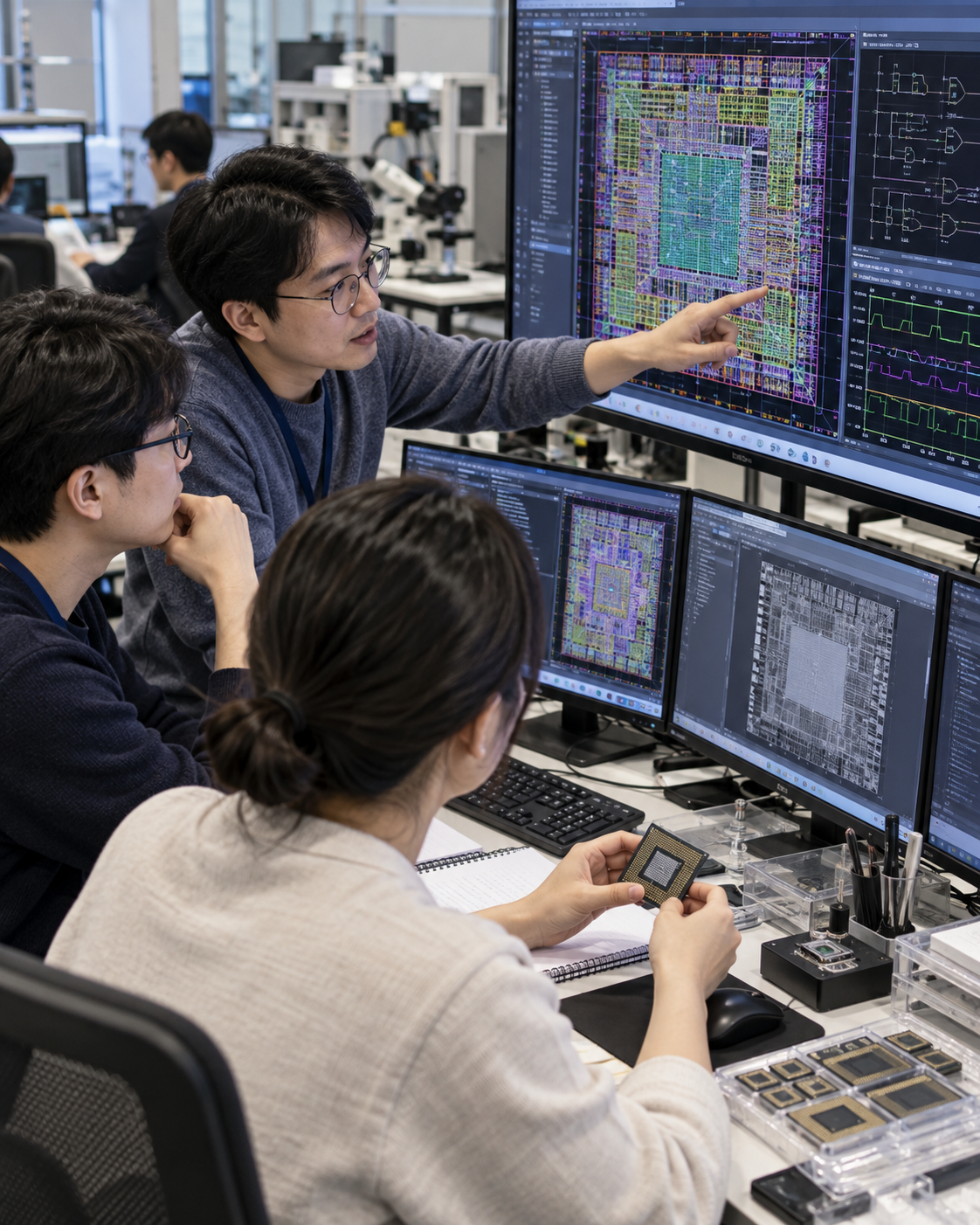
Public Time: October 28, 2026 01:33 KST The application area of Aristotle developed by AI company Harmonic focusing on mathematical proof has been expanded with software and semiconductor circuit verification. Newly supported targets are C language and Verilog. The company explained that the orthographic verification that mathematically verifies that the code satisfies certain conditions can also be used by the general development team. The key change is in the AI's ability to write code faster Nose without ending
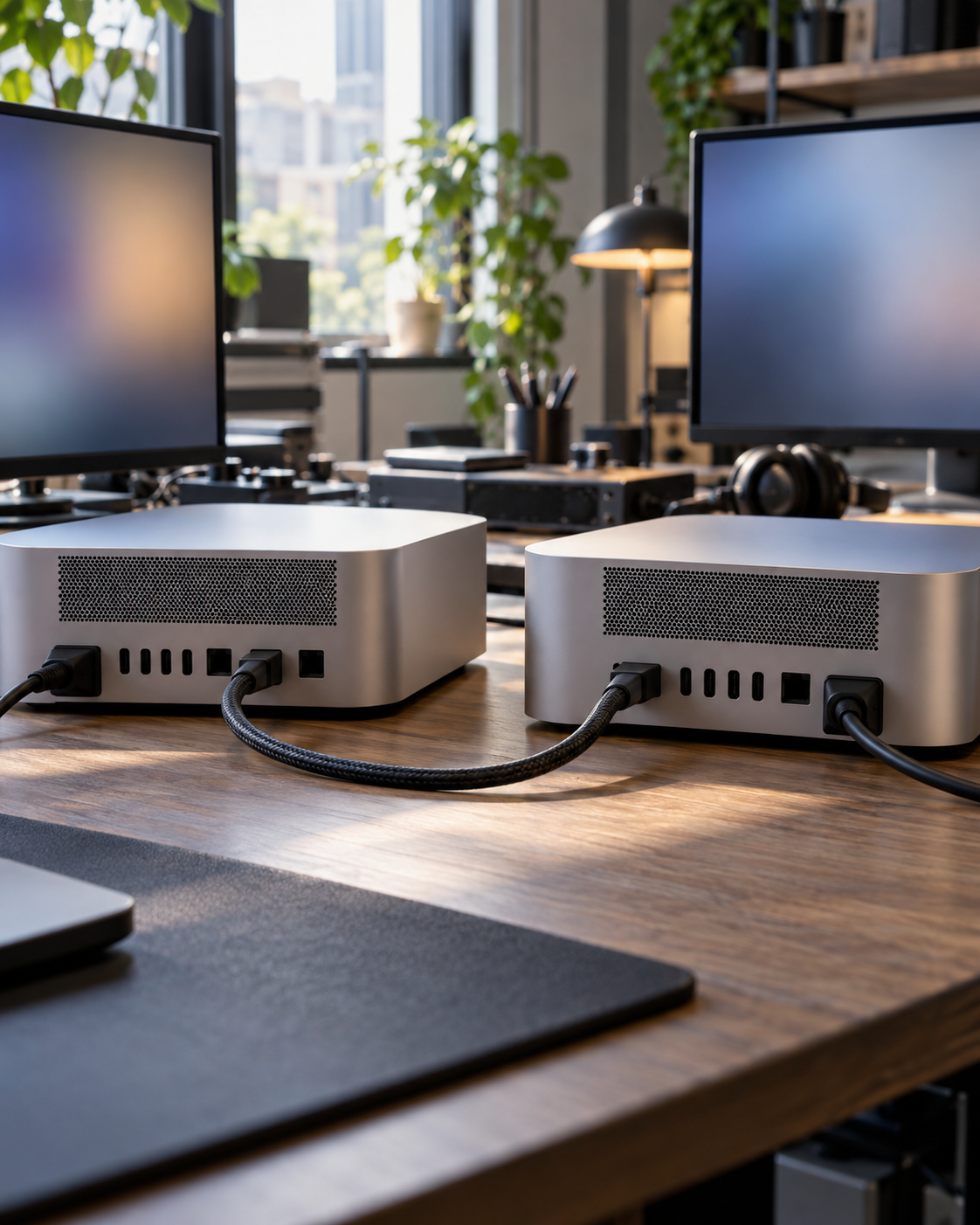
There was a strong perception that a huge data center or cloud API was needed to use a very large AI model. However, Meta released the model weights directly, and presented a new option to run multiple high-performance desktops. The Muse Spark Open, announced by Meta on October 15 (US local date), is a multimodal model with a total of 816 billion parameters. Apple is also using MLX on the same day on the M5 Ultra-based Mac Studio
The competition standards of AI models are shifting from simple question responses to how long and reliably they handle actual work. Meta unveiled the new models Muse Wonder and Muse Wonder Full on October 12 (local time) and started offering them to developers. Both models are aimed at coding, as well as the tasks that need to be read in context, such as reviewing legal documents, understanding financial information, and organizing health-related information. Of our models
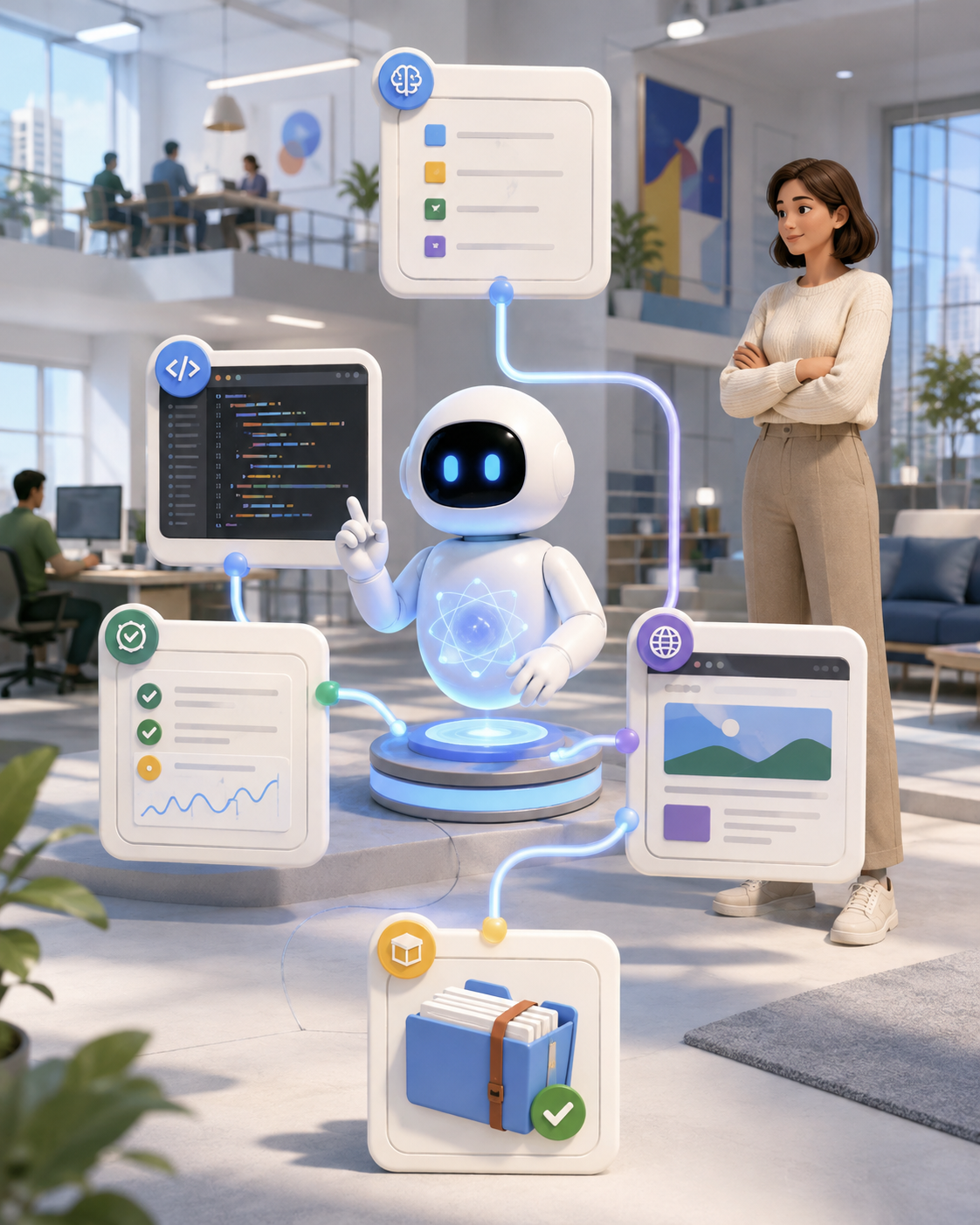
At work, the process of having AI summarize a document, then switching back to an email composer, and opening another window to check your schedule is more cumbersome than you might think. If you have to explain the context of your work from scratch for each tool, the time-saving benefits of AI are inevitably reduced. Google’s “Gemini Agent,” announced on October 8, is designed to reduce these disconnects. When you convey a goal to a single work agent, it finds the necessary materials, and Use the tools and create something
The competition in AI model performance is shifting from who can build a single, large model that’s smarter to who can process countless requests more cheaply and quickly. Claude Haiku 5.5, which Anthropic unveiled on October 7 in the U.S. and began offering immediately, is a small model that clearly illustrates this trend. The most striking figures are the base API rates: $0.10 per 1 million input tokens and $0.50 per 1 million output tokens. Just before Haiku
Mistral AI has unveiled its new flagship model, Mistral Large 4. This model isn’t just a large language model with an increased number of parameters; it utilizes a Mixture-of-Experts (MoE) architecture—which doesn’t use all parameters in a single inference—to simultaneously achieve both scale and execution efficiency. According to Mistral’s official documentation, the model has a total of 1.05 trillion parameters, but only 49 billion are activated during actual token processing. At launch,
AI voice technology is rapidly shifting from simply “generating natural-sounding voices” to automating actual customer service tasks. ElevenLabs announced that it has completed a $300 million public tender offer for employee shares, valuing the company at $22 billion. This represents a doubling from the $11 billion valuation during its Series D round in February—achieved in just about seven months. Even more striking is the usage. The company reports that its voice agents handle over 15 million conversations each week. We are currently processing this, and this is in February
OpenAI and Synopsys have agreed to jointly develop GPT-Synopsys, an AI model specialized for semiconductor design. The key here isn’t simply adding a bit of semiconductor knowledge to a general-purpose chatbot; rather, it involves training OpenAI’s model to use Synopsys’s electronic design automation (EDA) tools so that it can be integrated into the actual chip design workflow. Semiconductor design is a field that involves a series of tools and iterative processes, ranging from circuit description to verification, physical placement, and final sign-off. The two companies
Google has unveiled Gemini 4 Argon, the top-tier model in the Gemini 4 series. The key point of this announcement isn’t simply that it’s a new model with higher benchmark scores, but that it’s designed for long-term tasks involving multiple stages—such as software engineering, legal and financial work, and cyber defense. However, it’s important to distinguish between “unveiling” and “general availability.” Argon is currently available through Google’s Fairwind program Reliable Work
Microsoft announced on September 25, 2026, that it would revamp the Copilot for Work app around three core features: Home, Code, and Autopilot. The interface, designed to assist with work through conversation, is organized to connect document editing, small app development, and agents that work continuously. These three features weren’t officially released to all customers on the same day. Microsoft will roll out Home and Code to the Frontier program over the next few weeks, while Autopilot
On September 22, 2026, OpenAI added Sol and Luna to the GPT-6 product family. These models were designed to make some of the technical improvements from the previously released high-performance model, Astra, available at a lower cost. The API pricing for GPT-6 Sol is $2 per 1 million input tokens and $10 per 1 million output tokens, while GPT-6 Luna is priced at $0.10 and $0.50, respectively. More than just the news of new models being added, this means users can now choose a model that fits their workload and budget.
Anthropic released Claude Opus 5.5 on September 22, 2026. According to the company’s own assessment, the cost of running typical tasks is approximately 40% lower than that of the previous model, Opus 5, and output generation speed has increased by more than 30%. The key feature of this model is that it aims to simultaneously reduce both the token price and the number of tokens used for actual operations. At the same time, it underwent pre-release external evaluations by Frontier Design and METR, and some high-risk
Anthropic revealed that Claude is taking the lead on 26% of the company’s internal AI research and development work. This percentage rose rapidly from about 1% in March 2026 to 26% in August. Here, the term “leading” means that, based on high-level instructions provided by a human, Claude performs most of the task from start to finish under human supervision. Among the tasks measured, Anthropic found that Claude operates completely autonomously The Year of Practice
OpenAI has unveiled “Astra for Law,” an AI platform designed for legal work. It combines GPT-6 Astra with a dedicated search index for U.S. legal materials and guidelines for legal analysis and drafting, enabling law firms and legal tech companies to create specialized workflows. It will appear as “GPT-6 Astra Law” on the model selection screen in ChatGPT and Codex. However, at launch, only select U.S. law firms with Trusted Acc
Anthropic has begun merging Claude’s general conversation features with Cowork, its long-form workspace, into a single interface. Rather than having users select the type of task first, the system is designed so that Claude assesses the scope and nature of the request and selects the appropriate features. Claude Docs and Claude Slides, for creating documents and presentations, have also been newly released, and Claude Design is now available within general conversations. From writing documents to creating slides
Factory, a developer of enterprise AI coding agents, has secured $200 million in new funding, valuing the company at $5 billion. Compared to its valuation of $1.5 billion when it raised $150 million in April 2026, its valuation has more than tripled in just about five months. Participants in this funding round included Blackstone, Khosla Ventures, Sequoia Capital, Insight Partners, Evantic Capital, and Sound Ventu
OpenAI has announced its support for three bipartisan bills related to AI and the life sciences currently under discussion in the U.S. Congress, as well as the independent safety assessment provision in the FRONTIER Act. A company spokesperson confirmed this stance to Reuters. The bills supported by OpenAI are the Web of Biological Data Act, the AI-Ready Bio-Data Standards Act, and the SCALE Biology Act. Under these bills, leading AI developers would be required to undergo external evaluation by independent assessors to ensure
Microsoft AI has released a draft of the Humanist AI Code of Conduct, which will serve as the behavioral standard for the MAI models it develops in the future. The core principle is that AI must remain under human control and must not resist commands to pause, modify, or terminate. This document is not merely a set of product terms of service, but a draft outlining the behavioral principles to be followed when training and evaluating models. Microsoft AI will solicit public feedback for six weeks and finalize the content around the end of the year. Refined, 2027
Meta has launched Muse, a personal AI agent in the U.S. that doesn’t just answer questions but also handles tasks such as sending emails, booking travel, and making online purchases and payments. This product demonstrates that the generative AI competition is shifting from conversational chatbots to agents that perform real-world actions. Muse connects to the user’s authorized email, calendar, shopping, payment, health, and smart home apps and runs on a dedicated virtual machine You can continue working. Meta offers a free...
The phone isn’t the only channel through which businesses and AI interact with customers. Web chat, mobile apps, text messages, and social media messages must all be integrated to fully handle customer requests from start to finish. SoundHound AI’s completion of its acquisition of LivePerson marks a move to intensify this omnichannel competition. SoundHound officially announced the closing of the transaction on September 4, 2026, and will integrate LivePerson’s digital messaging infrastructure with its own voice and agent-based AI platform to
The Institute of Foundation Models (IFM) in Abu Dhabi, United Arab Emirates, has unveiled the K2 Horizon product family, consisting of six AI models of varying sizes. This family connects a wide range of devices—from small devices like smartwatches and smart glasses to enterprise servers—into a single ecosystem. The reason this announcement is drawing attention is that it goes beyond simply distributing the final model weights. IFM is also providing training code, data or data schemas, intermediate checkpoints, and settings, Training Log
OpenAI has officially unveiled GPT-6 Astra, its next-generation flagship model, and has begun a limited rollout to select organizations. The key feature is that it’s an agent-based model that enhances capabilities in directly interacting with computers and browsers, coding, scientific research, and performing specialized tasks. However, this is not a full-scale launch available to everyone immediately. OpenAI is first making it available to a limited number of organizations, followed by a rollout over the next few days to ChatGPT paid plans, the API, and major Cloud Access Scope
Anthropic has released a design blueprint that enables retail, travel, and ticketing companies to build customer-facing shopping agents and merchant-facing sales agents based on Claude. This strategy goes a step beyond simply providing a general-purpose chatbot; it helps companies build agents tailored to their specific products and operational data. Shopping agents identify customer preferences to recommend products and assist with the process of adding items to a shopping cart. Sellers The agent manages operations by analyzing inventory, prices, and marketing materials
OpenAI has officially rated the cybersecurity capabilities of its next-generation AI model, Astra, as “Critical” under its Preparedness Framework. This is the first time OpenAI has assigned this rating to an actual model. The key point of this announcement isn’t simply that coding performance has improved. Given the right tools and access privileges, Astra can identify unknown vulnerabilities in well-protected systems and orchestrate attacks without step-by-step instructions from a human.
ChatGPT Ads, OpenAI’s advertising business, reached $1 billion in annualized revenue less than 200 days after its launch. This means that advertising is rapidly establishing itself as the third pillar of OpenAI’s revenue model, which had previously been centered on subscriptions and APIs. The number of advertisers has already grown to tens of thousands, and sales—which began in the U.S.—have expanded to more than 40 countries. In India, Europe, and the Middle East and North Africa, advertisers are purchasing campaigns directly Self-service has also begun.
It’s become uncertain whether the AI coding tool Cursor will be able to continue using OpenAI models. This is because OpenAI has notified SpaceX—which acquired Cursor—that it plans to terminate the model supply agreement. The date OpenAI has proposed for the suspension of service is November 12, 2026. While existing models won’t disappear immediately, if the contract termination process proceeds as planned, Cursor will no longer receive OpenAI models directly starting on that date. This development in the AI sector...
Tencent has unveiled a preview of Hy4, its next-generation large language model, and released the model’s weights. Although it is a large model with a total of 770 billion parameters and a context window exceeding 1 million tokens, what stands out most about this announcement is not its size but its intended use cases. Tencent introduced the Hy4 preview as a model tailored for productivity tasks—such as coding, document and data analysis, game development, and scientific research—rather than general conversation. WorkBuddy·Co
The focus of the generative AI competition is shifting from models that create text and images to models that compute and predict the real world. Amid this trend, Accelerated Understanding has unveiled a new AI system that learns physical phenomena rather than language. The company revealed that, during testing, the system processed over 5 trillion units of context when handling a single query. In fields such as semiconductor design, robotics, weather forecasting, and energy exploration—which involve space and Over time, countless variables simultaneously
The focus of the enterprise AI competition is shifting from general-purpose chatbots to specialized agents that handle actual industry tasks. On August 25, 2026, Google Cloud unveiled Gemini Enterprise for Legal, a solution specialized for legal work. Its key feature is that it integrates specialized skills, AI agents, and legal data connectivity into a single environment for tasks where accuracy and security are critical—such as contract review, legal research, and tracking regulatory changes. On the same day, the capital markets and Company
The range of input data for AI video generation is expanding even further. Alibaba has announced the expanded release of its next-generation AI video generation model, “Wan 3.0.” The key feature is that it can use not only text and images but also audio, documents, and web pages as input, and can generate videos up to 30 seconds long in a single go. It goes beyond simply creating short clips to re-structuring existing information into video content. AI video generation technology is moving in the direction of...
OpenAI has lowered the developer API pricing for its top-tier model, GPT-5.6 Sol. Based on the standard short context, the input price has dropped from $5 to $4 per million tokens, and the output price has dropped from $30 to $20. In terms of percentage reduction, the input price has dropped by 20%, and the output price by approximately 33%. These prices are part of a promotion valid through at least November 21, 2026. Following the price cuts for GPT-5.6 Terra and Luna last July, the fact that prices have now been lowered for the top-tier Sol model as well
When people hear the term “generative AI,” they tend to first think of it answering questions or writing documents and code. However, in the financial sector, the most direct changes AI will bring may come from “prediction” rather than “conversation.” This is because more accurate predictions about how much of a particular currency will be needed in the future and where to allocate cash—across regions and accounts—can help reduce actual financial costs. Falcon, unveiled by Ant International Time-Series Transforme
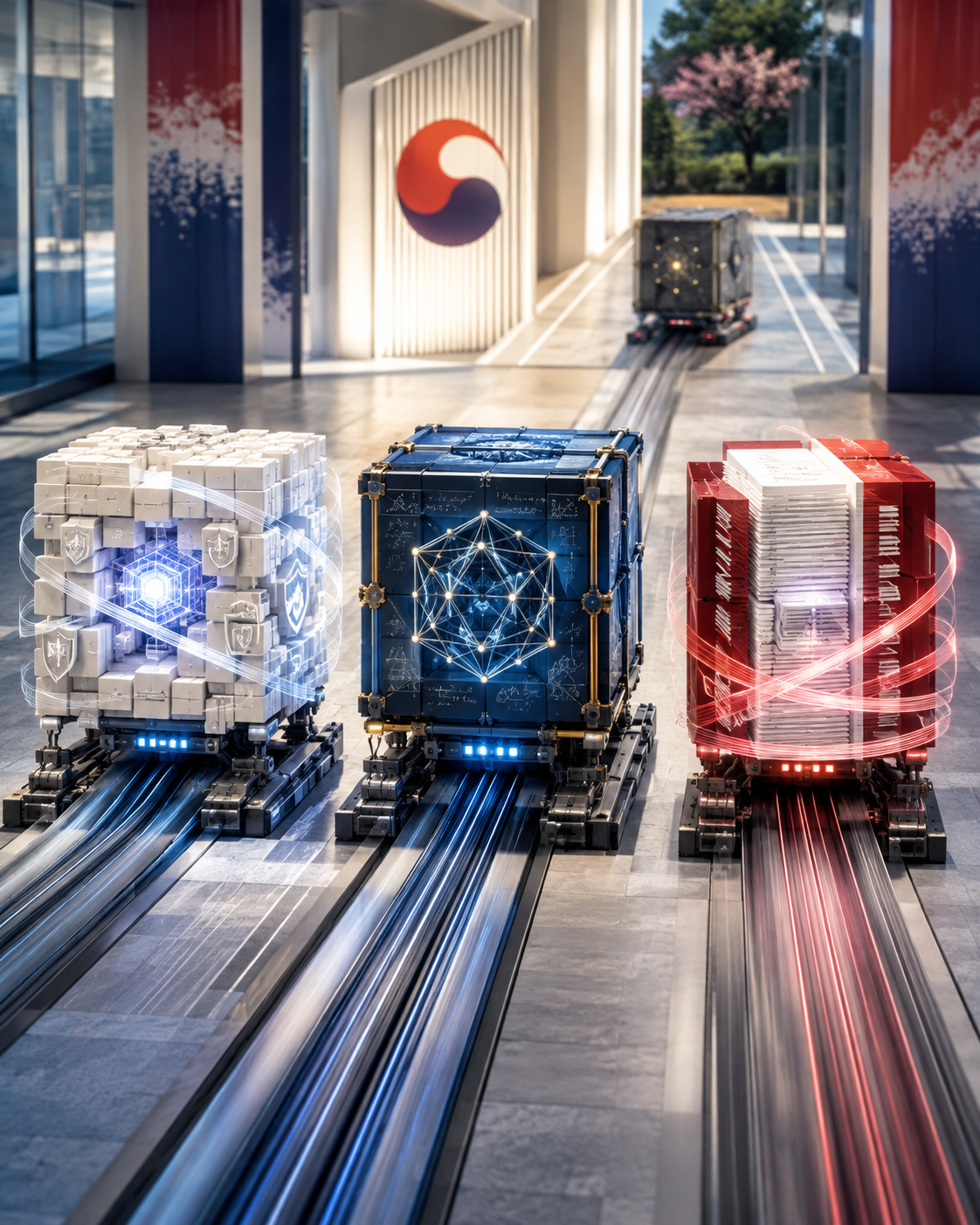
The competition for the government’s independent AI foundation model project has narrowed down to three teams. According to the results of the second-stage evaluation released by the Ministry of Science and ICT on August 18, LG AI Research, SK Telecom, and Upstage advanced to the next stage, while Motif Technologies was eliminated. There is one particularly notable aspect of these results. Despite Motif receiving the highest score among the four teams on the AAII—a global evaluation metric— The fact that we did not make it into the top three teams in the overall evaluation
Is a cloud server really necessary for AI to analyze heart rate and sleep data measured by a smartwatch? Research released by Samsung Electronics demonstrates the possibility that some of this analysis could be processed directly on the device worn on the wrist in the future. On August 14, 2026, Samsung Electronics’ Global Newsroom introduced xMAE and HiMAE, health foundation models developed by the Digital Health research team at Samsung Research America. xMAE analyzes electrocardiograms (ECGs) and Broad-Band Pulse Wave
The competition among AI coding models can no longer be explained solely by how well they write code. It’s becoming increasingly important for them to be able to write code, then find and fix errors, call upon the necessary tools, and independently carry out multiple steps to complete actual tasks. Gemini 3.7 Flash, released by Google in the early hours of August 14, 2026 (KST), is a model designed to address this shift. Google describes this model not as a simple chatbot, but as On Coding and AI
Most of the generative AI we use frequently connects to massive data centers via the internet. The way it works is that you send questions and files to the server, and the model in the cloud returns the results. However, Meta has released a model that takes a slightly different approach. Muse Glimmer, unveiled on August 10, 2026, is an on-device AI with approximately 30 billion parameters that runs continuously on personal Macs or PCs rather than on high-performance servers. Monitor running local agents
When it comes to AI model news, people usually think first of improved performance or new features. However, the focus of this GPT-5.6 update is a little different. On July 30, OpenAI reduced the price of GPT-5.6 Luna by 80% and Terra by 20%, and introduced “Fast mode” for its top-tier model, Sol, which increases API response speed by up to 2.5 times. Although the models themselves aren’t new releases, the most noticeable improvement when applying AI to actual services is
On July 24, 2026, Anthropic unveiled its new high-performance AI model, Claude Opus 5. This model isn’t just an update that makes answers slightly more accurate. Its ability to handle long-term tasks—such as planning complex tasks, independently verifying intermediate results, and making revisions if issues remain—has been significantly enhanced. It’s especially worth keeping an eye on if you frequently assign tasks that don’t end with a single response, such as coding, data analysis, and task automation. Manhae. In that case, Claude Opu